More Protein: Why It Matters (and How to Get Enough Without Overthinking It)
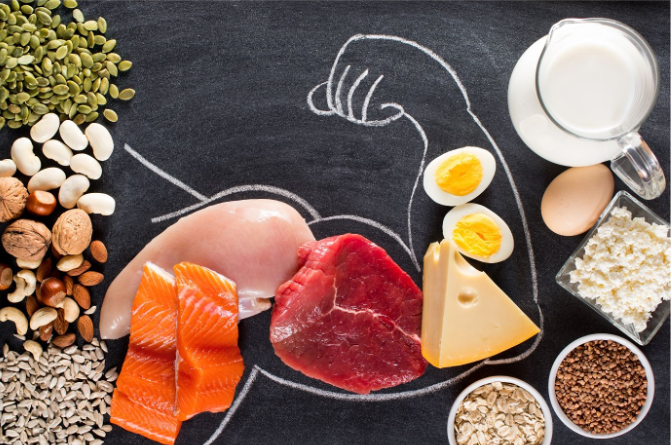
Protein has been getting a lot of attention lately—and for good reason. While all macronutrients (carbohydrates, fats, and protein) play important roles in our health, protein is often the one people fall short on unless they’re being intentional.
So why all the buzz around protein?
Why protein is so important
Protein is essential for nearly every system in the body. It supports:
Muscle repair and growth
Hormone and enzyme production
Immune function
Healthy skin, hair, and nails
Recovery from illness or injury
When protein intake is too low, the body can struggle to maintain these systems. Over time, this may show up as muscle loss, fatigue, weaker immunity, and slower healing.
Protein, muscle, and metabolism—what’s the connection?
Protein is best known for its role in building and maintaining muscle. Muscle is what allows us to move through daily life—carrying groceries, climbing stairs, staying independent as we age.
Muscle is also metabolically active tissue, meaning it requires more energy (calories) to maintain than fat or bone. This is why building and preserving muscle can support a higher metabolic rate. In simple terms: more muscle means your body burns more energy just to function.
This also explains why building muscle can feel challenging—it takes both adequate protein and enough energy to support it.
How much protein do we actually need?
Protein needs vary based on body size, age, activity level, and health goals.
The RDA (Recommended Dietary Allowance) is 0.8 g per kg of body weight, which reflects the minimum needed to prevent deficiency.
For most adults, a more helpful range is 1.0–1.6 g/kg, which better supports strength, mobility, blood sugar control, and body composition.
Athletes typically need more protein due to higher training demands—but they’re not the only ones who benefit.
Protein becomes especially important as we age. Muscle loss naturally increases over time, and appetite often decreases, making it harder to meet protein needs. Older adults often benefit from prioritizing protein at meals.
Another group that may benefit from higher protein intake is those aiming to manage or lose weight.
Protein and appetite: an underrated benefit
One of protein’s biggest advantages is how filling it is. Meals and snacks that include protein tend to increase satiety (that feeling of fullness), helping you feel satisfied for longer.
For people struggling with constant hunger, cravings, or portion control, this can make a meaningful difference. Better appetite regulation can support balanced energy intake and make weight management feel more manageable—without extreme restriction.
A practical protein target
Because needs vary, the ideal amount is best personalized with a dietitian. As a general guideline:
Aim for 20–40 g of protein per meal
A reasonable daily minimum for most adults is ~60 g per day
This often looks like eating at least two meals per day that each provide around 30 g of protein.
What does 20–40 g of protein look like?
Here’s an example of how protein might add up across a day:
Breakfast: Smoothie (26 g protein)
½ banana
1 cup frozen berries
¾ cup Greek yogurt (19 g protein)
1 cup milk (7 g protein)
Handful of kale
Lunch: Canned Salmon salad mix (21 g protein)
1 can (213g) canned salmon (13 g protein)
herbs of choice (fresh or dried)
finely chopped pickles, scallions
1/3 cup Greek yogurt (8 g protein)
(optional) 2 tsp mustard + pepper to taste
whole grain crackers (to have with salmon mix)
carrots or other raw veggies
Afternoon snack: Chia pudding (7 g protein)
1 cup soy milk (7g protein)
2 Tbsp chia seeds
1/2 cup frozen berries
(optional) splash of vanilla and/or sweetener
Supper: Chicken dinner (35 g protein)
Small baked chicken breast (4 oz / 113 g) (~35 g protein)
Tzatziki sauce
Salad and brown rice
This sample daily total: ~89 g protein
What about protein supplements?
That’s a topic of its own. In my next post, I’ll share my thoughts on protein powders and supplements—when I recommend them, when I don’t, and a few I’ve personally tried.
Thanks for reading. As always, you deserve wellness 💙